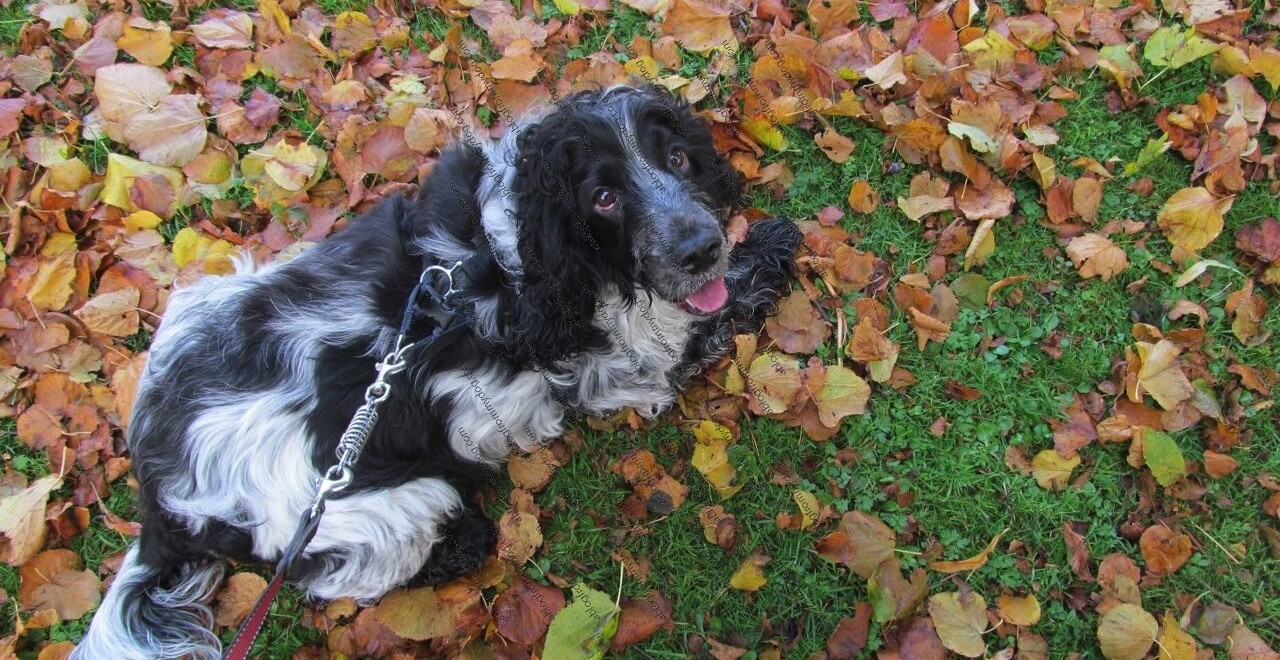
Looking back through the photographs taken during 2012 we noticed that we did not report on our trip to the villages of Great Orton and Thursby.
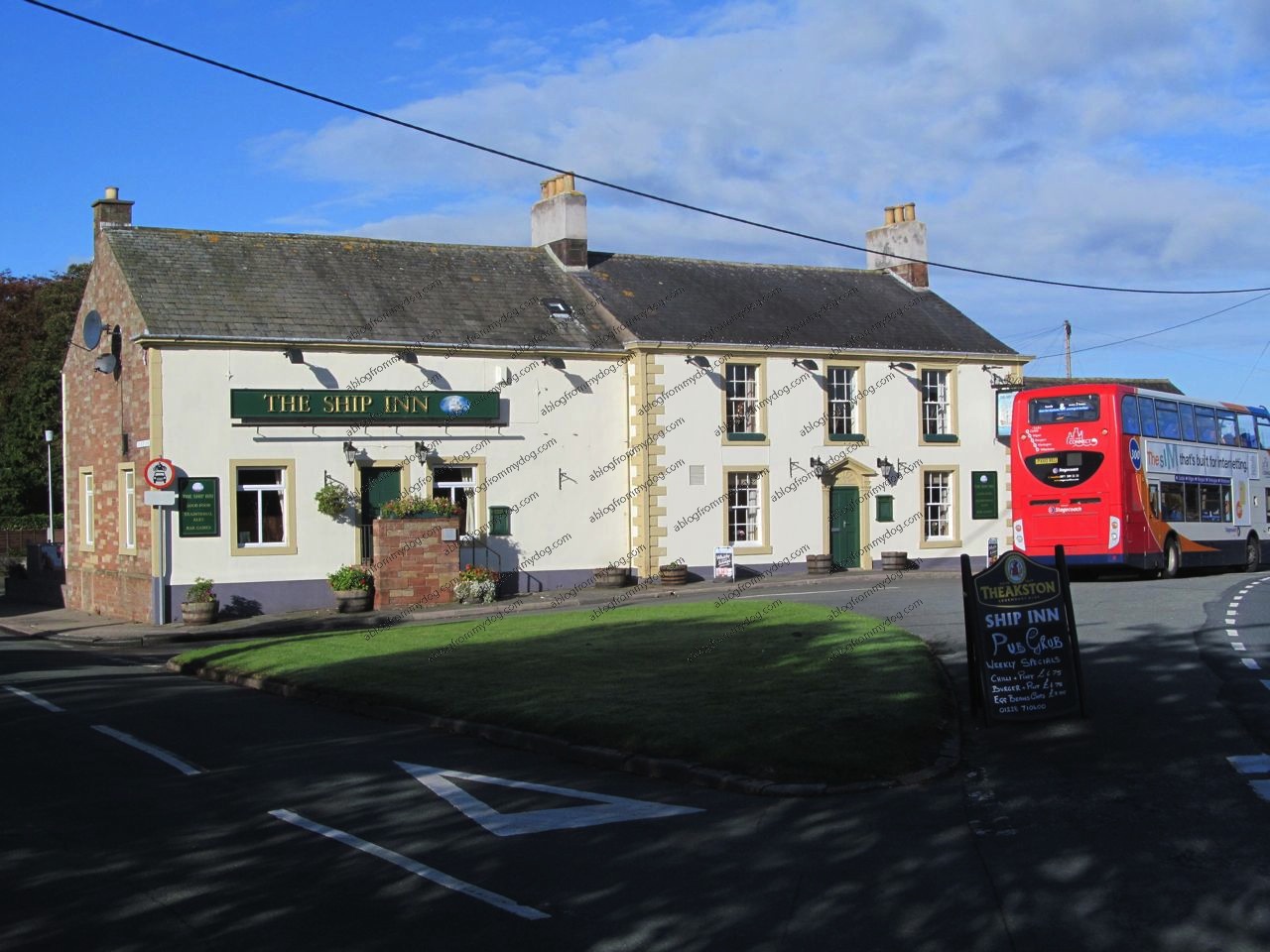
Both are situated a few miles from Carlisle to the west of the city.
With the leaves providing a golden backdrop of autumnal colour during October we started our adventures in Thursby.
Thousands of people travel past this large village every day along the A595 towards west Cumbria. However, very few it seems stop or pay attention to it.
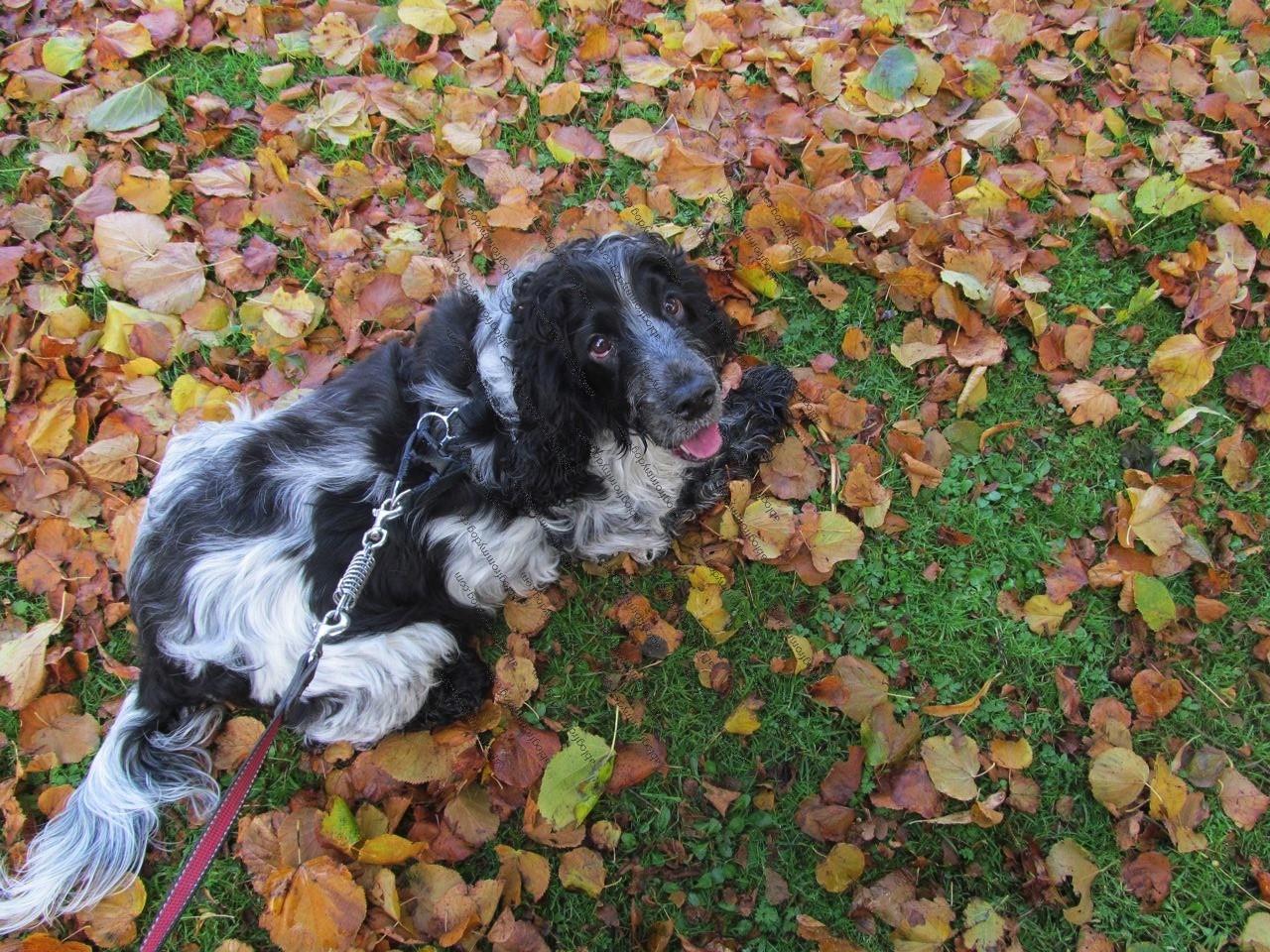
Buster visited Thursby many years ago to take his test and get his medals as a PAT (Pets as Therapy) dog. He still has them but is now retired from active service.
The Ship Inn
As with many villages the pub and the church are key to local identity and Thursby is no exception.
The Ship Inn, positioned at what could be seen as the head of the village was once the home of engineer Sir Thomas Bouch.
Born in February 1822, the son of William Bouch a Captain in the Merchant Service and licensee of the public house, Thomas was the builder of the first bridge over the Tay Estuary.
A simple white plaque screwed to the pub wall reads:
Sir Thomas Bouch
Last of the great early Victorian railway engineers. Builder of the first bridge over the Tay Estuary and many in Northern England, he was born here in February 1822, son of William Bouch: A captain in the Merchant Service and licenscee of the Ship inn.
Knighted and given the freedom of Dundee for his work, he died at Moffat in October in 1880, his life of achievement sadly blighted by faulty workmanship which led to the Tay Bridge collapse in 1879.
Mrs Beeton – of cook book fame
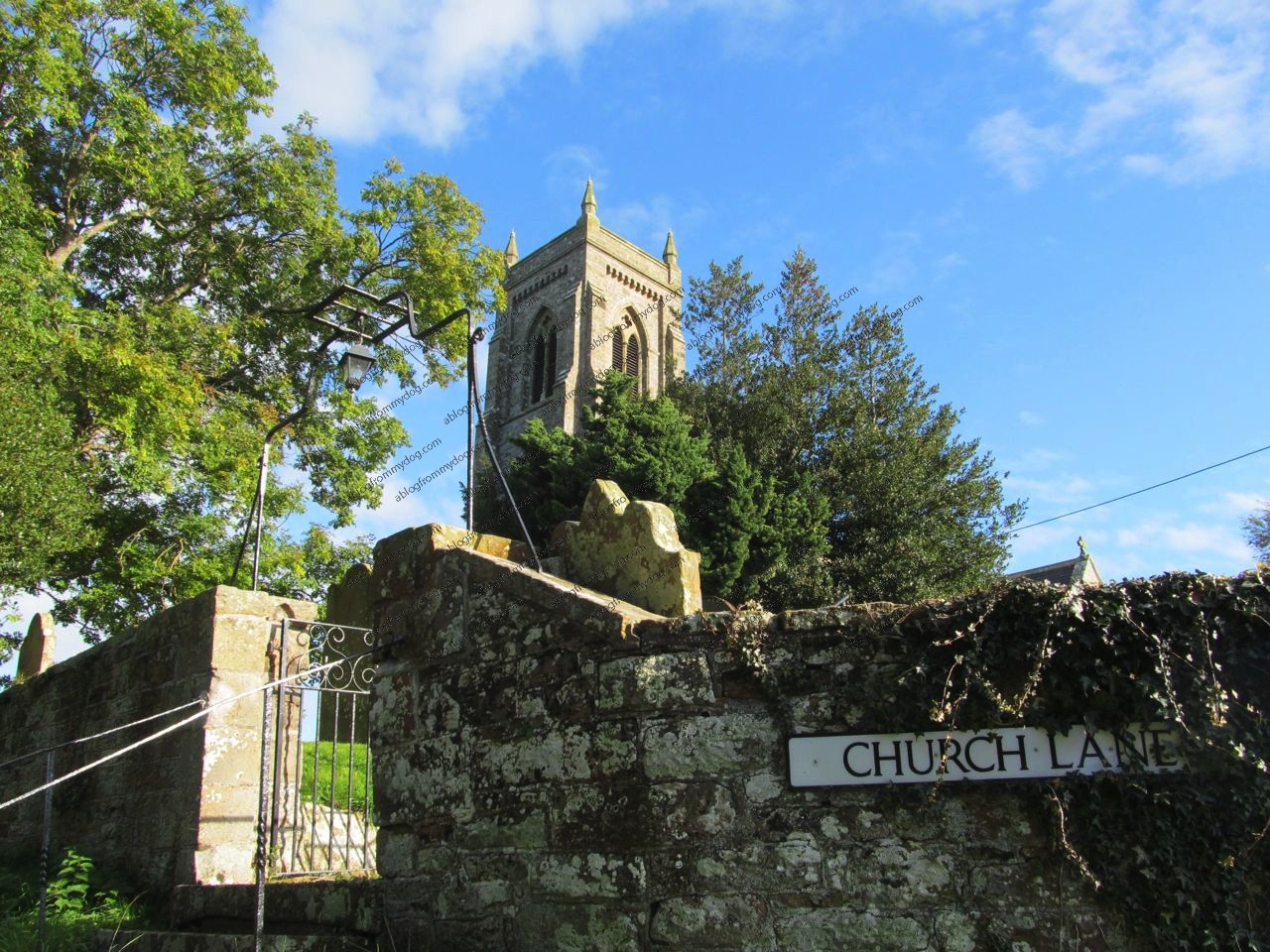
A short way from the public house is the parish church of St Andrews’. Damaged by fire in 2009 the church stands slightly raised on a hill above one end of the village.
One unusual claim to fame for this Cumbrian location is its connection to the cookery legend known as Mrs Beeton.
Born Isabella Mayson in 1836 her grandfather John Mayson was the curate of Thursby for many years.
Her father Benjamin was born in Thursby but moved south to London. When he died, aged 39, the young Isabella returned to live with her grandfather in what was then known as Cumberland.
After about an hour spent wandering paths, pavements and verges we headed towards our second location for the day, Great Orton.
This area shot to the international stage when the British Government used the nearby disused airfield for the burying of cattle and sheep as a result of the Foot and Mouth epidemic in 2001.
The airfield has now become the Watchtree reserve and we hope to take a visit later in 2013, if we are allowed in?
The nearby village is not far from the airfield and all appears on the surface to have returned to normality. The postman in his red van goes about his duties whilst from the farm yard the aroma of rural life drifts across the village.
We parked at one end of the north Cumbrian hamlet and set off on foot for the second adventure of the day.
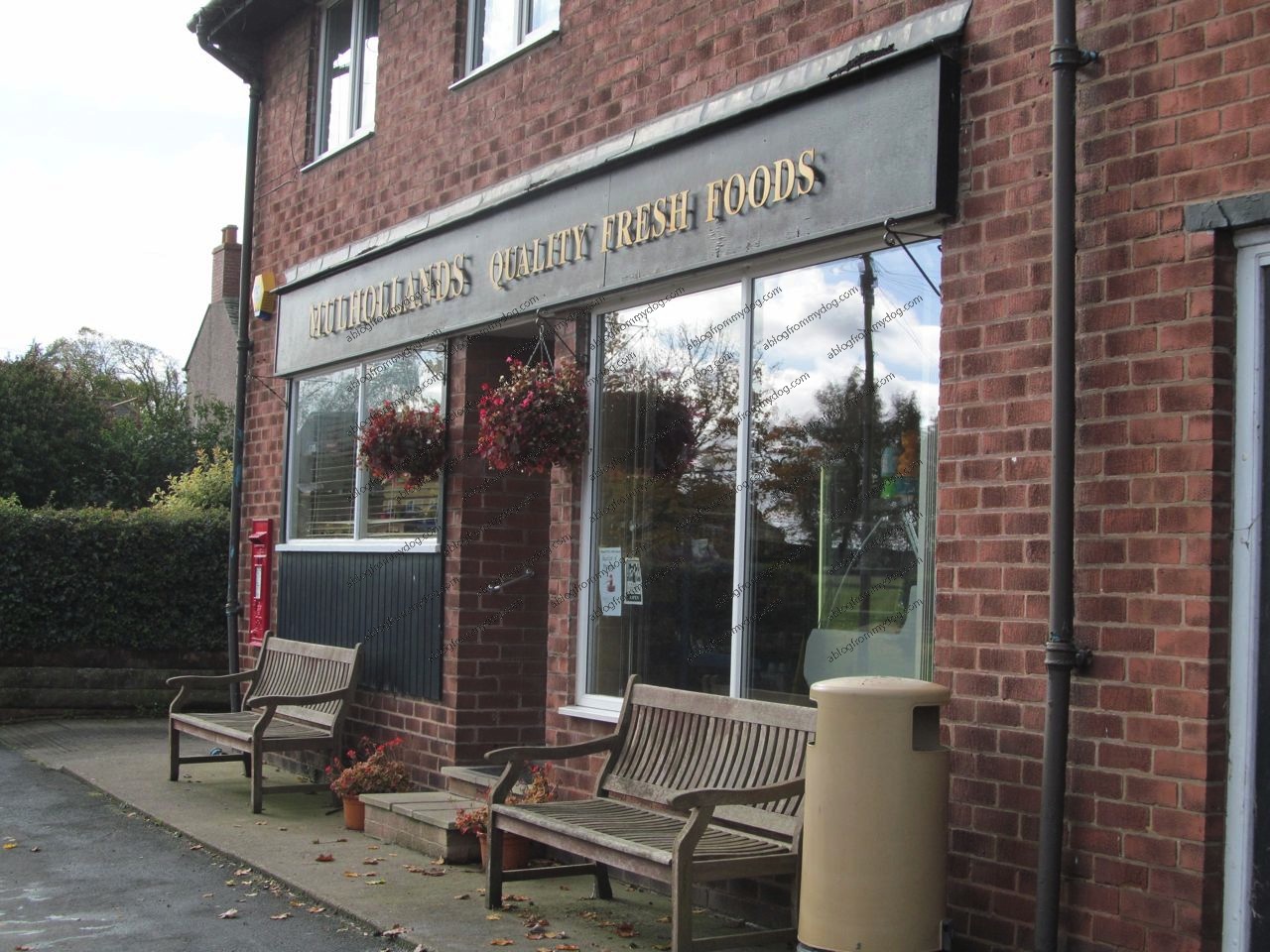
After a short while our noses started twitching as we came across Mulhollands Butchers. Mum was sent in clutching her purse to get some supplies.
The wait was unbearable as we stared at her through the big glass windows of the shop.
Carrying two big white plastic bags she emerged with a smile, thanking the butcher for his help.
It was only later upon our return home that we discovered that Mum had purchased some lovely tasting liver and some hearts which were cooked off and added to our dried food.
Tucked away, just off the main road, it is really a shame that many more people are unaware of this local community resource.
Also in Mums bags were some fantastic Desperate Dan sized meat pies. We sat on a nearby bench and helped eat those with the two leggers.
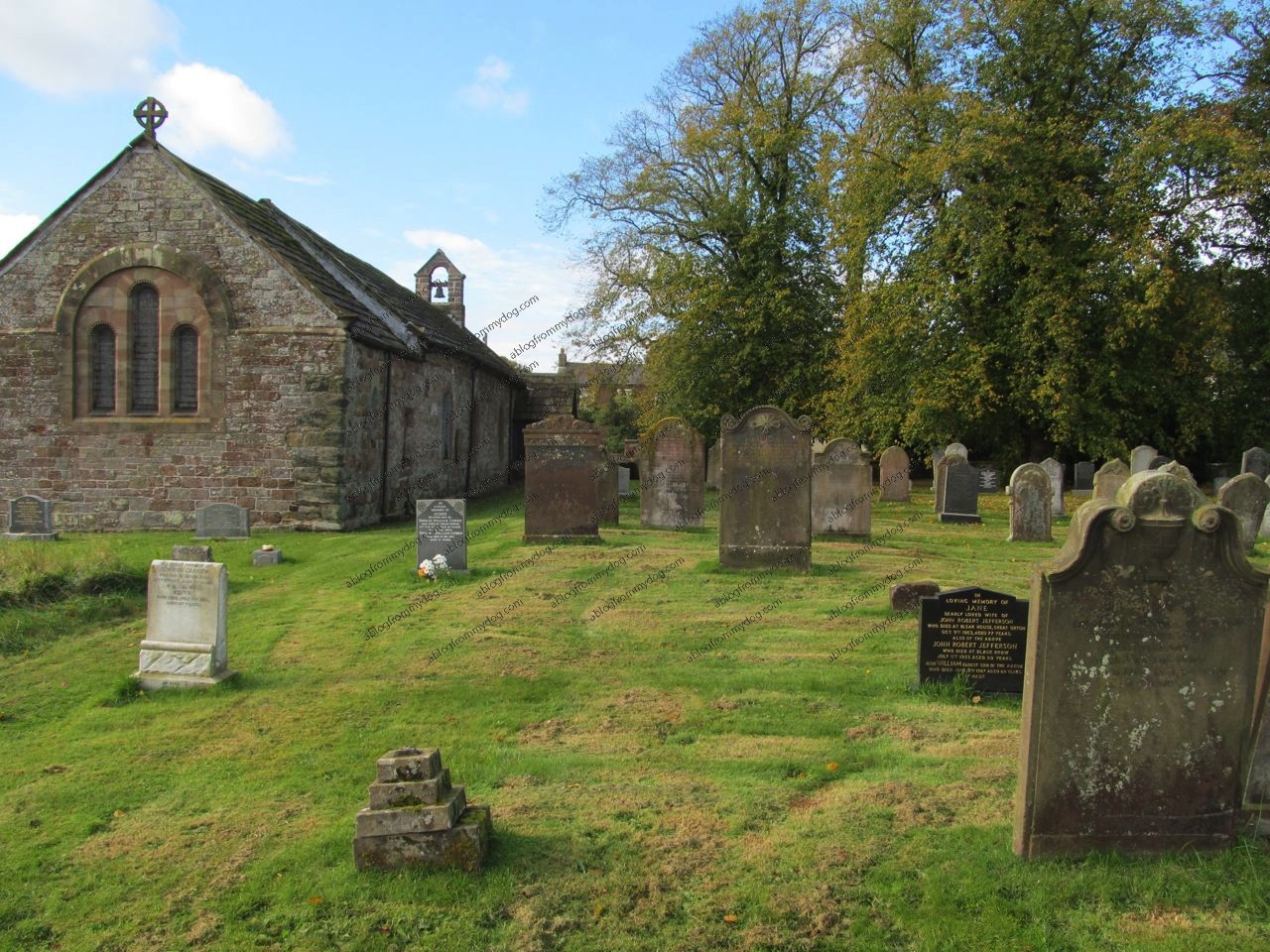
Great Orton Church
Tummies filled and paws rested we continued along the arterial road of the village until we came upon the church.
St Giles is of Norman origin and has a spectacular view from the churchyard of the surrounding Carlisle valley.

This view came as a bit of a surprise and we stood for quite a few minutes whist we worked out our bearings and sought landmarks.
Leaving us outside Dad ventured into the church where he spent a few minutes looking around and taking in the building.
Mosaic flooring and white walls dappled with coloured light streaming through the stained glass windows made the building warm and inviting, he reported upon his return.
Leaving the church behind we started back through the village towards the car and our journey home.
Both Great Orton and Thursby will be on our list of places to return to when we have a bit more time as we are sure that more adventuring is to be done.
Until next time
Buster and Charlie