
With the start of the Meteorological spring I thought I would venture out this morning into Bitts Park, Carlisle, to see if nature had also realised the arrival of a new season.
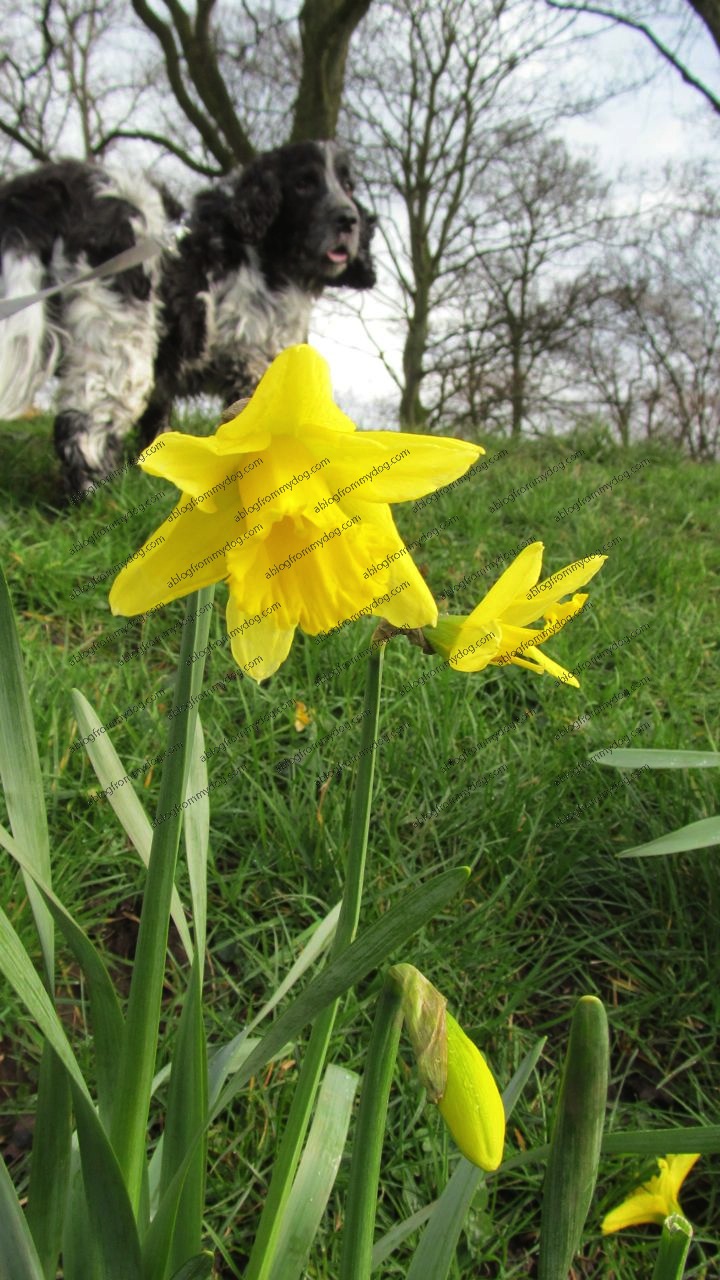
Many of this mornings weather forecasters were using the words ‘meteorological spring’ which I found interesting as I had not heard of it before.
Meteorological spring definition
It turns out that the boffins who keep an eye on the weather use a different calendar to the normal two leggers.
According to the Met Office website there are two calendars in the humans world, a Gregorian calendar and an astronomical calendar .
The first one splits the seasons into four sections to make it easier to keep records and make comparisons.
The seasons are defined as Spring (March, April, May), Summer (June, July, August), Autumn (September, October, November) and Winter (December, January, February).
The meteorological or climetological calendar, as it is sometimes referred to, defines Spring in the northern hemisphere, as starting on 1 March, or today.

Astronomical calendar
The second calendar is the astronomical calendar and is a little bit more complicated.
It determines the seasons due to the tilt of the Earth’s rotational axis in relation to its orbit around the sun. This has been calculated to be 23.5 degrees.
The Earth’s orbit around the sun defines periods of time known as equinoxes and solstices.
Spring starts soon
These are considered to be the astronomical transition points between the seasons and mark key stages in the astronomical cycle of the earth.
In a year there are two equinoxes (spring and autumn) and two solstices (summer and winter).

To further complicate things, the astronomical calendar seasons do not happen on a particular date. This year Spring begins in the astronomical calendar on 20 March at 16:47 GMT.
For those pooches who like a bit of science this is when the Sun will shine directly on the equator and there will be nearly equal amounts of day and night throughout the world.
Summer not far away
Looking forward to the rest of the year we can see that summer begins on June 21 with the arrival of Autumn on September 21.
- Vernal Equinox (Spring) March 20 2014 16:57 GMT
- Summer Solstice (Summer) June 21 2014 10:51 GMT
- Autumnal Equinox (Fall) September 23 2014 02:29 GMT
- Winter Solstice (Winter) December 21 2014 23:03 GMT
After all that science I do not have to tell you that what it means for us are longer walks, warmer temperatures and loads of fun.
Until next time
Woofs and licks
Charlie